

 Used Medical Equipments

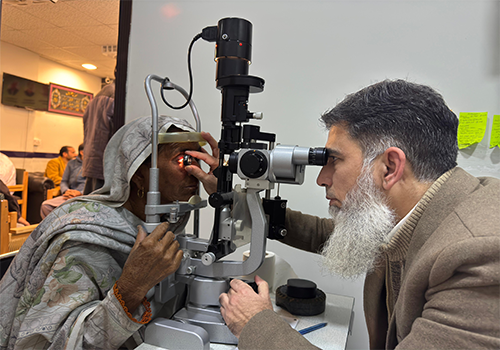
As people age, it’s normal for the vision to change in some ways. You may notice a shift in the way you see colors or how your eyes focus, and you might need more light to read or drive.
If you’re seeking ways to improve your vision, don’t worry – while minor changes are common, most vision impairments are preventable or treatable.
Some changes in vision that occur due to aging can be improved with surgical procedures, eyeglasses, or contact lenses. Taking care of your overall health before serious issues arise is important to keep your eyesight in shape. You can even keep your vision healthy with some simple exercises.
One of the most effective exercises for preventing eye strain and fatigue is the 20-20-20 rule. This simple practice involves taking a break every 20 minutes to look at something at least 20 feet away for 20 seconds. By doing so, you give your eyes a chance to rest and refocus, reducing the strain caused by prolonged screen time.
Read ahead for more tips on how to improve eyesight and maintain optimal eye health!
Natural Ways For Improving Your Vision and Eye Health
You can adopt various measures to enhance eye health and mitigate the risk of vision impairment: For example:
– Refrain from smoking.
– Maintain a nutritious diet rich in dark, leafy greens and omega-3 fatty acid-rich fish. You can take vitamins A, C, E, omega-3s, zinc, lutein, and zeaxanthin (the ideal vitamins for eyes) if you want to improve vision.
– You can engage in regular physical and eye exercises to improve vision.
– Wear protective eyewear during activities that pose potential risks to your eyes.
– Don’t forget about hand hygiene before handling contact lenses.
– Opt for sunglasses offering 99% to 100% UVA and UVB protection.
Managing chronic conditions like diabetes can significantly improve eye health. Early intervention is crucial, as individuals with Type 1 or Type 2 diabetes face heightened risks of various eye conditions such as cataracts, diabetic macular edema, and diabetic retinopathy.
Statistics indicate that approximately 33% of individuals aged 40 or older with diabetes already exhibit signs of diabetic retinopathy. However, early detection and treatment can reduce the risk of blindness by up to 95%.
Taking Eye Exams To Stop Vision Loss and Maintaining Eye Health
Numerous eye conditions can be asymptomatic in their early stages. As per the National Eye Institute, a thorough eye examination, including dilation, is crucial for the early detection of many eye diseases.
During dilation, eye drops are administered to expand the pupils, allowing the examiner to use a specialized magnifying lens to inspect the eye for any signs of damage. Additionally, the examination encompasses tests to assess:
– Eye muscle functionality
– Peripheral vision
– Intraocular pressure
– Light responsiveness
– Visual acuity
Individuals with diabetes or hypertension typically require at least one comprehensive yearly eye examination with dilation. For those who:
– Are aged 40 or older
– Have a family history of glaucoma
Dilated eye examinations are recommended every one to two years. A comprehensive eye exam can be beneficial even for young and healthy individuals.
Treating Vision and Eye Conditions
Visual impairment stemming from refractive errors can often be rectified through the use of glasses, contact lenses, or surgical interventions.
Treatments for other eye ailments vary depending on the underlying cause and the severity of the condition. They encompass options such as eye drops, medications, laser procedures, or surgical interventions.
In cases of issues with eye coordination or movements, individuals may seek assistance from an orthoptist, a specialized professional in this field. Furthermore, if the visual problem involves the brain, consultation with a neuro-ophthalmology specialist may be warranted.
Undergoing a comprehensive eye examination is highly beneficial for maintaining optimal eye health for everyone. However, it becomes particularly crucial if one notices changes in vision or is deemed to be at risk for developing eye-related conditions.
Final Thoughts
Maintaining healthy vision is vital for overall well-being, regardless of age or predisposition. Understanding risk factors, such as family history, and chronic health conditions, can help individuals remain vigilant about their eye health.
Regular eye examinations, including dilation, play a pivotal role in early detection and management of various eye diseases. Natural strategies, like adopting a balanced diet, regular exercise, and protective eyewear, complement medical interventions in preserving vision.
Embracing preventive measures and seeking timely treatment for vision and eye conditions ensure optimal eye health and a better quality of life for individuals of all ages.
If you want any eye-related medications, get in touch with Cmhn Trust .

